Address:
Etesami St, Ziba Shahr, Bandar Abbas
Whatsapp:
Email:
info@tajerin.com

After cooling, manufacturers grind clinker with gypsum and, depending on the cement type, other materials to produce finished cement.
What is clinker? Clinker is the hard, nodular intermediate material produced during the manufacture of cement. Cement plants make clinker by heating a carefully prepared mixture of limestone and other raw materials at very high temperatures inside a rotary kiln.
Although clinker may look like simple gray stones, its chemical composition and physical properties directly influence cement performance. For this reason, cement factories and bulk buyers carefully evaluate clinker quality before purchasing.
For companies importing clinker, choosing the right clinker supplier involves more than comparing prices. Buyers also need to examine specifications, quantity, origin, loading conditions, shipment schedule, inspection requirements and payment terms.
The main purpose of clinker is to produce cement. Therefore, clinker is a critical intermediate material in cement manufacturing.
Instead of producing all clinker at their own facilities, some cement grinding plants purchase bulk clinker from external suppliers. They then grind the clinker locally with gypsum and other permitted materials to manufacture cement for their target market.
This model can make commercial sense when:
Therefore, international clinker supply plays an important role in the global cement industry.

Clinker production takes place in several stages.
The process usually starts with limestone as the main source of calcium.
Producers may also use materials that provide silica, alumina and iron.
Typical raw materials can include:
The plant crushes, blends and prepares these materials to achieve the required chemical balance. As a result, the kiln receives a more consistent raw mix.
The plant grinds the prepared materials into a fine powder known as raw meal.
Proper homogenization is important because the kiln needs a relatively consistent feed.
Variations in the raw meal can affect clinker chemistry and, consequently, cement performance. Therefore, homogenization is an important part of quality control.
The raw meal enters a preheater system and eventually reaches the rotary kiln.
Inside the kiln, temperature rises significantly. Chemical reactions transform the raw materials into new mineral phases.

Near the hottest zone, the material partially melts and forms clinker nodules. However, visual appearance alone does not determine its quality.
After leaving the kiln, hot clinker passes through a cooling system.
Rapid and controlled cooling helps stabilize the required mineral structure and also allows the plant to recover heat for the production process.
The resulting product is the hard material known as clinker.
The American Cement Association explains the cement manufacturing process from raw materials to clinker formation and final grinding.
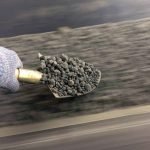
Clinker normally appears as hard, irregular or rounded nodules.
Its color is commonly:
Individual clinker pieces are generally relatively small rather than large rocks. Their exact size can vary according to kiln operation and cooling conditions.
For buyers, appearance alone cannot confirm clinker quality. Laboratory analysis remains much more important than visual inspection. For this reason, buyers should rely on laboratory analysis and quality documents.
A reliable clinker supplier should therefore provide technical specifications or available quality documentation rather than relying only on photographs.

The performance of clinker depends strongly on its mineral composition.
Four major clinker phases are commonly discussed.
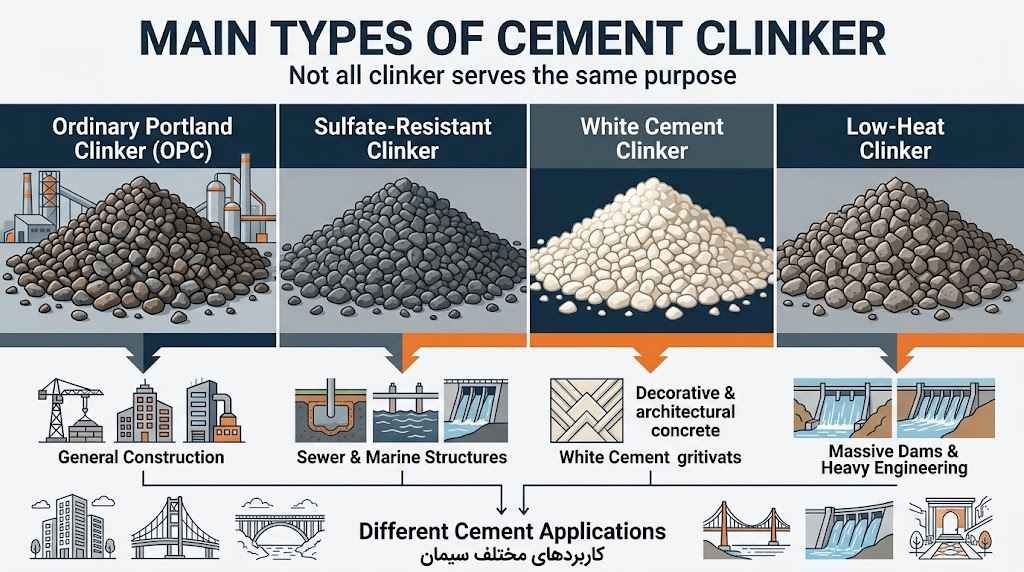
Tricalcium silicate contributes significantly to early cement strength.
Cement with an appropriate C3S level can develop strength relatively quickly after hydration.
Dicalcium silicate reacts more slowly than C3S.
As a result, it contributes more to later-age strength development.
C3A reacts rapidly with water.
Its level can influence setting behavior, heat generation and sulfate resistance.
Therefore, buyers may pay particular attention to C3A when clinker will be used to manufacture cement for specific exposure conditions.
C4AF contains iron and alumina.
It plays a role in clinker formation and also affects characteristics such as cement color.
These phases do not work independently. Instead, the overall balance between them helps determine how the final cement performs.
Commercial clinker specifications often include additional chemical parameters.
These may include:
The acceptable limits vary according to clinker type, cement standard and intended final product.
Therefore, buyers should send their required specification to the clinker supplier before requesting a final commercial quotation.
Free lime generally refers to calcium oxide that has not fully combined with other clinker components during kiln processing.
An excessively high level may indicate incomplete reactions or production issues.
However, buyers should evaluate free lime together with the complete clinker analysis rather than using a single parameter to judge the entire product.
For this reason, cement producers normally review a Certificate of Analysis before approving a shipment.
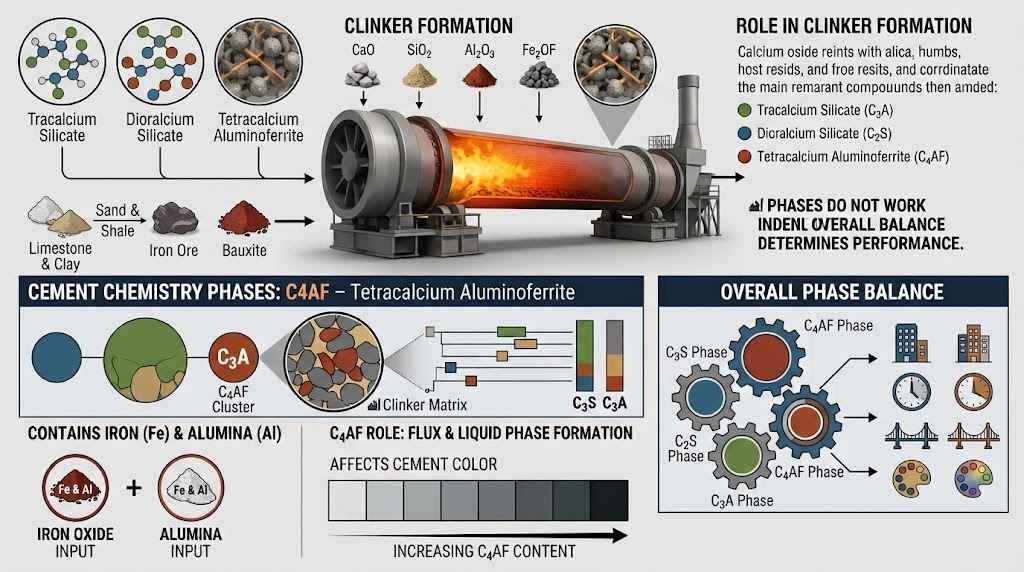
Not all clinker serves the same purpose. For example, different clinker chemistries support different cement applications.
Different clinker types support different cement products.
This is one of the most widely traded clinker types.
Cement manufacturers use it as the main intermediate material for producing various Portland cement products.
Manufacturers can design clinker chemistry to support cement intended for environments where sulfate exposure is a concern.
In such applications, the chemical composition, particularly parameters related to aluminate phases, becomes important.
Some buyers require controlled alkali levels because of specific cement or concrete performance requirements.
Therefore, they may request a maximum alkali value in the clinker specification.
White clinker uses carefully selected raw materials and production controls to minimize coloring compounds.
It is mainly used to manufacture white cement.
Because its production requirements differ from conventional gray clinker, buyers should confirm availability and specifications separately.
Although closely related, clinker and cement are not the same product. Clinker is the intermediate material formed inside the kiln.
By contrast, cement is the finished powder made by grinding clinker with gypsum and, depending on the cement type, other materials.
In simple terms, the production sequence is:
Raw materials → Kiln → Clinker → Grinding → Cement
This distinction matters commercially.
A grinding plant may prefer to import clinker and produce cement locally, while another buyer may prefer to import finished cement directly.
The correct choice depends on plant capability, logistics, local production costs, demand and commercial strategy. In practice, each buyer should compare both technical and commercial factors before deciding.
Cement plants import clinker for several reasons. In many cases, the decision is driven by production flexibility and supply economics.
One major reason is production flexibility.
A grinding plant can purchase clinker instead of investing in the much larger infrastructure required for quarrying, raw material preparation and kiln operation. Therefore, importing clinker can provide greater operational flexibility for some cement producers.
Other reasons may include:
However, the lowest FOB price does not always create the lowest total cost.
Buyers should also evaluate freight, port charges, discharge conditions, finance costs and potential demurrage. As a result, the cheapest FOB offer may not always provide the lowest landed cost.

A serious clinker purchase should begin with a clear technical and commercial request.
Before contacting a clinker supplier, Before requesting a quotation, the buyer should prepare the following information.
The buyer should define the required chemical and physical parameters.
If possible, provide a target specification or acceptable range.
Specify the approximate quantity in metric tons.
For example:
Quantity can significantly affect loading method, vessel size and freight economics. Therefore, buyers should state the required quantity clearly in the RFQ.
The buyer should provide:
This information becomes particularly important when requesting CFR or CIF pricing.
Specify whether you are requesting:
The quoted price cannot be properly compared without knowing the delivery basis. For this reason, buyers should always confirm the Incoterm before comparing quotations.
Buyers should provide their target shipment period or required arrival window.
This helps the supplier assess production availability, cargo readiness and vessel planning.
Choosing a clinker supplier should involve more than asking:
What is your price per ton?
A buyer should compare several factors together.
Start with the technical specification.
A competitive price has limited value if the clinker cannot meet the cement plant’s production requirements.
The supplier should understand the required quantity and shipment schedule.
Large shipments require coordination between production, inland transport, stockpiling, port operations and vessel loading.
Before accepting an offer, buyers should review the loading port, loading rate, vessel restrictions, cargo readiness, working hours, laytime conditions, and demurrage terms.
These details can materially affect the total landed cost.
Depending on the transaction, buyers may require documents such as:
The exact document list should be agreed before shipment.
Payment terms may vary according to the transaction.
Possible structures can include Letter of Credit or other mutually agreed commercial terms.
Both parties should confirm the payment structure before finalizing the contract.
Two clinker quotations can have different prices but still produce very different total costs. For example, a lower FOB price may still lead to a higher landed cost.
For example:
Supplier A: Lower FOB price
Supplier B: Slightly higher FOB price
At first, Supplier A appears cheaper.
However, Supplier A may offer:
Supplier B may therefore produce a lower total landed cost despite the higher product price.
Consequently, buyers should compare the full clinker supply structure rather than looking only at the price per metric ton.
Commercial quotations often use international delivery terms.
Under an FOB structure, the commercial responsibilities generally differ from CFR or CIF because the buyer typically arranges the main ocean freight after loading under the agreed Incoterm.
The exact contract terms still need careful review.
Under CFR, the seller arranges and pays the main carriage to the named destination port, while the Incoterm determines how costs and risks are allocated.
CIF also includes insurance arranged according to the applicable Incoterm requirements.
Buyers should not choose between FOB, CFR and CIF based only on the headline price.
Instead, they should compare the complete logistics and commercial structure.
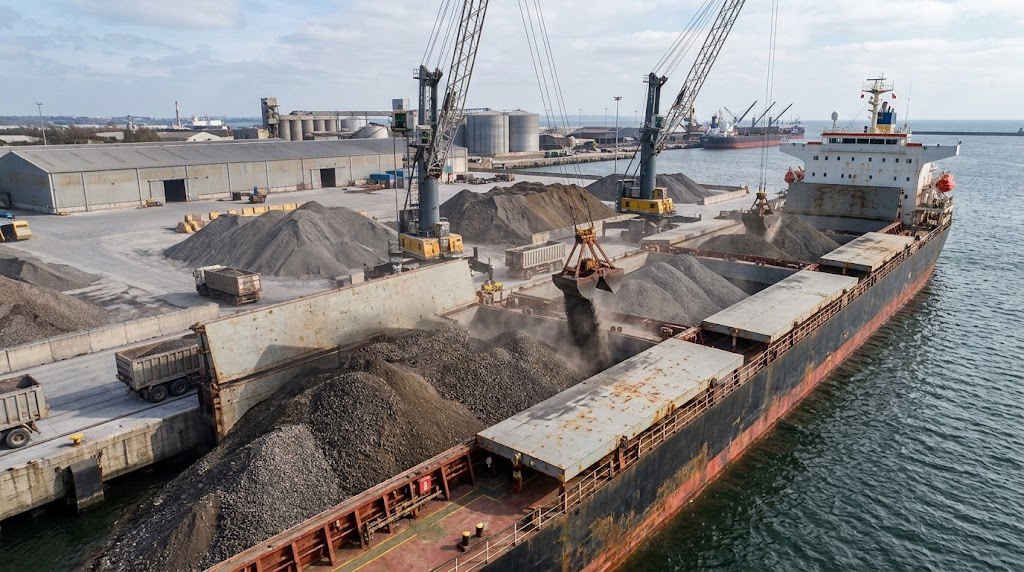
Large clinker shipments commonly move as dry bulk cargo.
Successful shipment requires coordination between:
Poor coordination can create expensive vessel delays. onsequently, logistics planning should begin before the vessel is nominated.
Therefore, logistics should form part of the purchasing decision from the beginning rather than being considered only after the clinker contract is signed.
Clinker is more resistant to moisture than finished cement, but poor storage can still create problems.
Long exposure to moisture may affect the surface of clinker and can complicate later grinding or handling.
Good storage practices include:
Covered storage offers greater protection, but many bulk operations also use properly managed outdoor stockpiles.
There is no single storage period that applies to every clinker stockpile. Instead, storage suitability depends on actual site conditions and stockpile management.
Storage performance depends on factors such as:
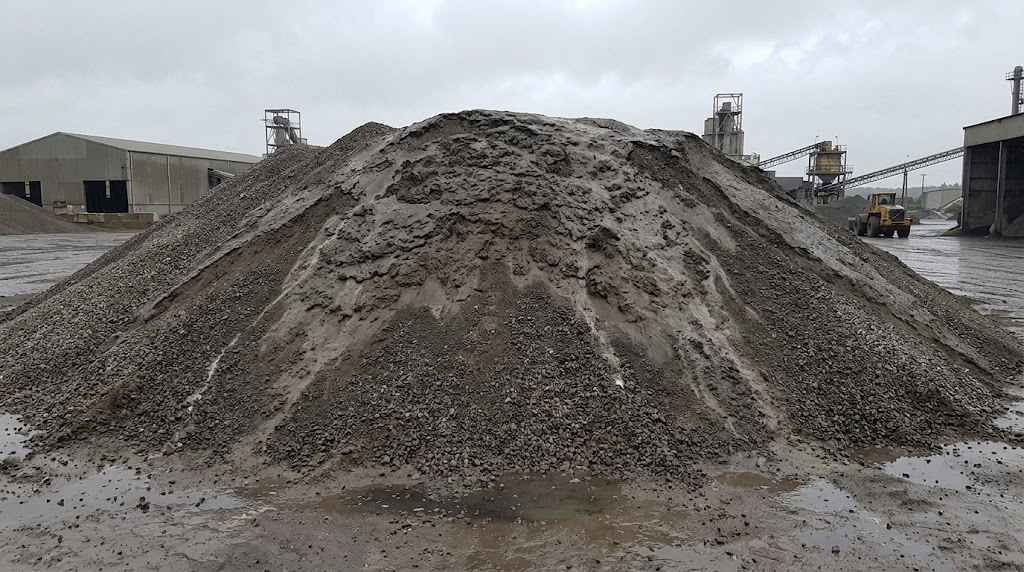
Therefore, buyers should inspect clinker that has remained in storage for a long period rather than assuming that age alone determines its suitability.
Yes.
Clinker provides the main reactive mineral phases used in Portland cement production.
As a result, clinker chemistry and mineralogy influence:
However, final cement performance also depends on grinding, gypsum addition, supplementary materials, fineness and production control.
Therefore, clinker is a major factor, but it is not the only factor.
Document requirements depend on the contract, country and payment structure.
Nevertheless, a buyer may request documents such as:
For large transactions, both sides should agree on document wording before shipment, particularly when payment involves a Letter of Credit.
There is no single international clinker price. Instead, the final price depends on a combination of product, logistics and market factors.
Prices vary according to:
For this reason, a meaningful quotation requires more information than simply:
“Send clinker price.”
A better RFQ includes:
If you are looking for bulk clinker, send the supplier a concise RFQ.
For example:
Product: Portland Cement Clinker
Quantity: 50,000 MT
Destination: [Port / Country]
Required Specification: [Attach specification]
Delivery Term: FOB / CFR / CIF
Shipment Period: [Required dates]
Payment: [Preferred payment terms]
This allows the clinker supplier to evaluate the request more accurately and prepare a commercially meaningful offer.
Tajerin works with cement factories, grinding plants, importers and bulk buyers requiring clinker for international trade.
We evaluate each request based on factors such as:
Depending on the transaction, Tajerin can coordinate shipment requirements with logistics partners and evaluate available supply options from relevant production sources.
Our objective is straightforward:
Send us your specifications, quantity and destination. Get a quotation from Tajerin, compare it with your other options, and choose the commercial terms that work best for you.
Clinker is the hard intermediate material produced in a cement kiln. Cement manufacturers grind clinker with gypsum and other permitted materials to produce finished cement.
No. Clinker is an intermediate product, while cement is the finished powder used in concrete, mortar and other construction applications.
It usually appears as small, hard, dark gray or gray-brown irregular nodules.
Some plants operate grinding facilities without clinker-producing kilns. Others import clinker to supplement local production or respond to additional cement demand.
Yes. International clinker trade commonly involves large dry bulk shipments.
Buyers should ask about specification, available quantity, origin, loading port, loading rate, inspection, shipment timing, payment terms and delivery basis.
It depends on the quotation. An FOB quotation differs from CFR or CIF. Buyers should always confirm the Incoterm and named port before comparing prices.
Tajerin can coordinate logistics requirements with logistics partners depending on the shipment and agreed commercial structure. Tajerin does not need to act as the vessel owner or freight forwarder to help coordinate the transaction.
Understanding what clinker is helps buyers make better technical and commercial decisions.
Clinker may appear to be a simple bulk commodity, but its chemistry, quality, source, storage, loading conditions and logistics can all affect the final economics of a cement operation.
Therefore, buyers should evaluate both the product and the complete supply structure.
A good clinker supply offer should match the required specification, quantity, shipment schedule and destination—not merely offer the lowest headline price.
If you are evaluating a clinker supplier for an upcoming purchase, send Tajerin your specification, required quantity and destination so we can review the available commercial options.