Address:
Etesami St, Ziba Shahr, Bandar Abbas
Whatsapp:
Email:
info@tajerin.com
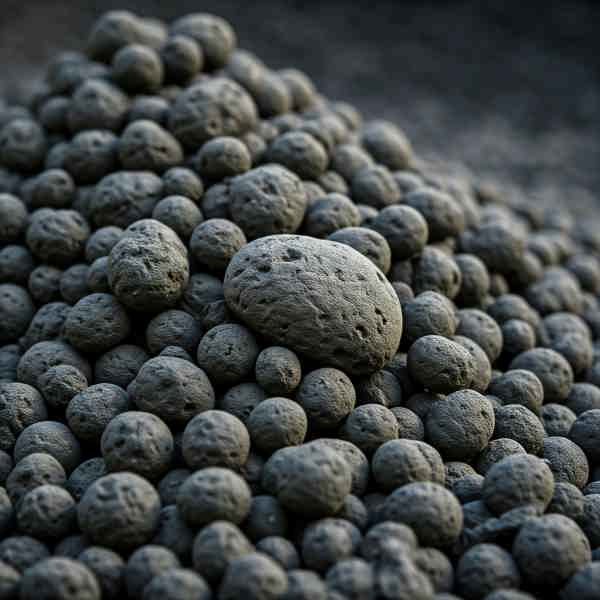
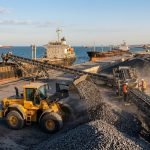
Outdoor clinker storage is common at cement plants, terminals, ports, and bulk handling yards.
Clinker is more tolerant of outdoor conditions than finished cement, but that does not mean it can stay exposed indefinitely without risk. Therefore, proper outdoor clinker storage still requires planning and regular control.
Poor stockpile design, water accumulation, contamination, long storage periods, and weak stock management can all create operational problems.
For buyers and plant operators, the main objective is simple:
Keep the clinker dry enough, clean enough, accessible, and suitable for grinding when needed.
This guide explains the main risks of outdoor clinker storage and the practical steps that can reduce them.
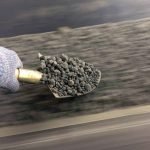
Clinker is a hard nodular material, so it can usually tolerate open-air storage better than finished cement.
However, several problems can still develop over time.
These may include:
Therefore, buyers should not treat outdoor clinker storage as simply “putting clinker on the ground.”
Therefore, outdoor clinker storage should be planned with drainage, cleanliness, and access in mind from the beginning. The storage area needs basic planning. In addition, operators should plan access routes and drainage before building the stockpile.
Rain and standing water are among the most common problems in outdoor storage.
Clinker does not react with water as quickly as cement powder, but prolonged moisture exposure can still create handling and quality concerns.
Wet clinker can:
As a result, moisture can affect both handling efficiency and grinding consistency. For this reason, good drainage is one of the most important parts of outdoor clinker storage.
The storage surface should allow rainwater to move away from the clinker pile.
A poor storage yard can collect water under or around the stockpile. As a result, wet material, contamination, and difficult reclaiming can become more likely.
That creates several problems:
Where possible, the storage area should have:
This is often more important than using a simple cover without proper ground preparation.
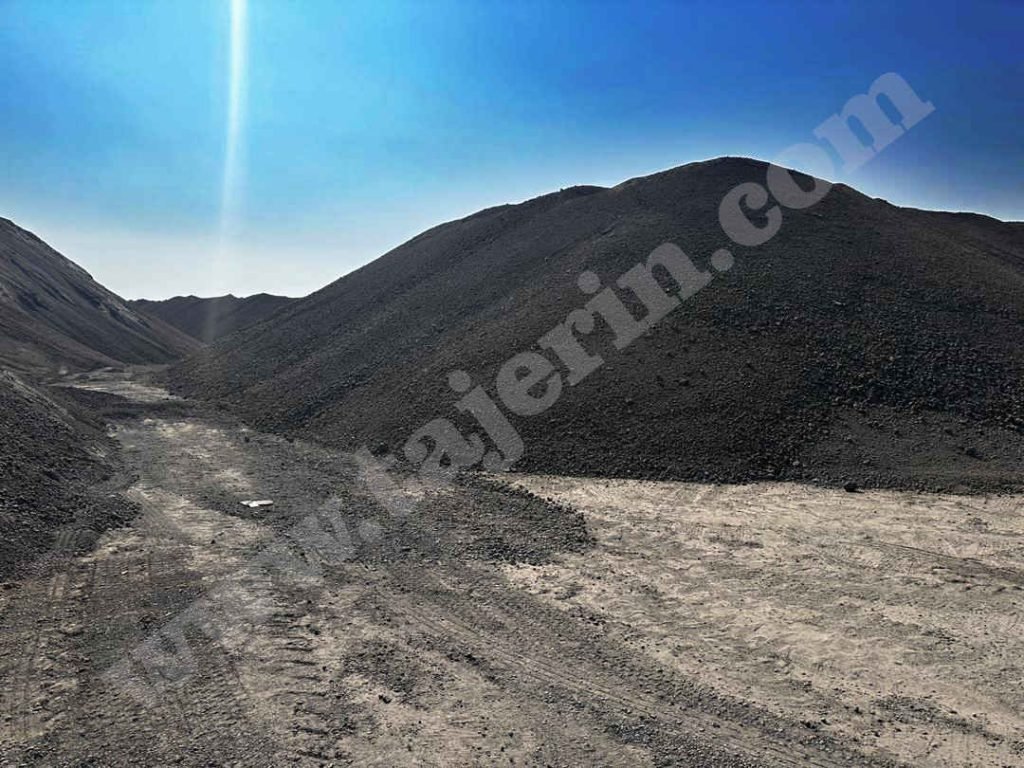
Outdoor clinker should not sit directly on loose soil if contamination can be avoided.
Soil, mud, stones, organic material, and other foreign matter can mix with the clinker during loading or reclaiming. For this reason, a clean and firm storage surface is essential for outdoor clinker storage.
This can reduce product cleanliness and create problems in the grinding process.
Suitable surfaces may include:
The right solution depends on the site and the expected storage period.
Covers can help reduce direct exposure to rain.
Options may include:
However, covers must be practical for the size of the stockpile. However, covers alone cannot solve drainage or ground-condition problems.
A small pile may be easy to cover.
A very large bulk clinker stockpile may require a different solution, such as improved drainage, proper pile design, or covered storage infrastructure. For this reason, the storage method should match the stockpile size and expected storage period.
The buyer should choose the method based on quantity, climate, and storage duration.
A clinker pile stored for a few days is not the same as clinker stored for several months.
For short-term storage, basic protection and drainage may be sufficient.
For longer storage periods, operators should pay more attention to:
The longer the clinker stays outside, the more important regular monitoring becomes. Moreover, long storage periods make stock rotation and inspection more important.
Pile shape affects water drainage and handling.
A poorly shaped pile can create flat areas where water remains on the surface.
A better-designed stockpile encourages water to run away from the center. As a result, proper pile geometry can improve both drainage and reclaiming efficiency.
Operators should also avoid creating unstable slopes that make loader access difficult or unsafe.
For large stockpiles, consistent pile geometry can help with:
Clinker can become contaminated if the storage area also handles other materials.
Potential contaminants may include:
Even small levels of contamination can create quality or processing concerns. In addition, operators should separate clinker from other bulk materials whenever possible.
Therefore, storage zones should be clearly separated where possible.
The site should also avoid using the same loader bucket for different materials without proper cleaning when contamination matters. Therefore, equipment cleanliness should form part of the storage-control process.
Outdoor clinker may develop a harder surface layer after repeated moisture exposure and drying.
This crust can make reclaiming more difficult.
In many cases, operators can break and recover the material mechanically.
However, heavy hardening can:
Regular inspection helps operators identify the problem before it becomes severe. Consequently, early action can reduce reclaiming problems later.
Good stock management reduces unnecessary long-term exposure.
A simple principle is:
Use older clinker before newer clinker where practical.
This helps prevent one part of the stockpile from remaining outside for excessive periods. Therefore, a simple stock-rotation plan can reduce unnecessary long-term exposure.
Depending on the yard layout, operators may apply a first-in, first-out approach or another controlled stock rotation system.
Stock records should include:
This also helps with traceability. In addition, good records make it easier to separate older stock from newer deliveries.
Not all clinker is identical.
Different production sources may have different:
If a plant receives clinker from multiple sources, it may need to keep different lots separated.
Mixing materials without control can create inconsistent grinding results. For example, mixing clinker from different sources without control can create inconsistent grinding performance.
Therefore, storage planning should consider both quantity and quality.
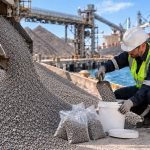
Before using clinker that has stayed outdoors for a long period, operators should inspect it.
Important checks may include:
For high-value or long-stored cargo, the operator may also consider fresh sampling and laboratory testing. Ultimately, inspection helps operators decide whether the clinker can move directly to grinding or needs further testing.
This is especially useful if the storage conditions were poor or the material remained exposed for a long time.
A clinker stockpile may be technically usable but operationally difficult to handle.
Poor yard access can slow reclaiming and loading. As a result, access planning can directly affect operational speed.
Operators should maintain:
This becomes particularly important at ports where loading schedules can affect vessel costs.
Dry clinker can create dust during:
Dust can reduce visibility, affect housekeeping, and create environmental concerns.
Practical control measures may include:
The correct method depends on site conditions and local requirements. Therefore, operators should choose dust-control measures that suit the actual handling system. For broader environmental and material-handling guidance, buyers and plant operators can also review the World Bank Group EHS Guidelines for Cement and Lime Manufacturing.
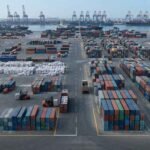
Port storage creates additional pressure because vessel schedules can be tight.
Before the vessel arrives, the terminal should know:
Poor storage management can directly affect loading rate and demurrage risk. Consequently, poor storage management can affect both loading speed and vessel costs
Therefore, storage and logistics should be planned together.
Outdoor storage is not always the best option.
Covered or enclosed storage may make more sense when:
The additional storage cost may be justified if it reduces operational risk.
Before using an outdoor clinker yard, check the following:
Tajerin supplies clinker for bulk and export requirements through established production and supply sources.
Storage conditions can affect the commercial and operational side of a shipment, especially when clinker waits at a terminal before vessel loading.
For this reason, buyers should consider:
Where relevant, Tajerin coordinates logistics requirements with appropriate partners and considers storage conditions as part of the shipment planning process.
The objective is to avoid situations where an attractive clinker price becomes less competitive because of poor handling or storage.
If you are planning a clinker purchase, send us:
Specification:
Quantity:
Destination Port:
Preferred Incoterm:
Required Shipment Period:
Storage or Handling Requirements: if applicable
Tajerin can review available supply and commercial options and prepare a quotation for comparison.
Compare product quality, logistics, storage, price, and delivery conditions before choosing the final offer.
Yes. Clinker can often be stored outdoors, especially for short or medium periods, but the storage area should control moisture, contamination, drainage, and handling conditions.
Rain does not normally destroy clinker immediately, but prolonged exposure can increase moisture, surface hardening, and handling difficulties.
Not always. Large clinker stockpiles often use outdoor storage, but covered storage can reduce risk in wet climates or during long storage periods.
In many cases, wet clinker can still be processed after appropriate inspection and handling. However, excessive moisture, contamination, or hardening may create operational problems.
A clean, firm surface is generally preferable because it reduces contamination and helps with drainage and reclaiming. Concrete is one suitable option.
There is no single universal period. The acceptable duration depends on climate, drainage, pile management, contamination risk, and quality requirements.