Address:
Etesami St, Ziba Shahr, Bandar Abbas
Whatsapp:
Email:
info@tajerin.com
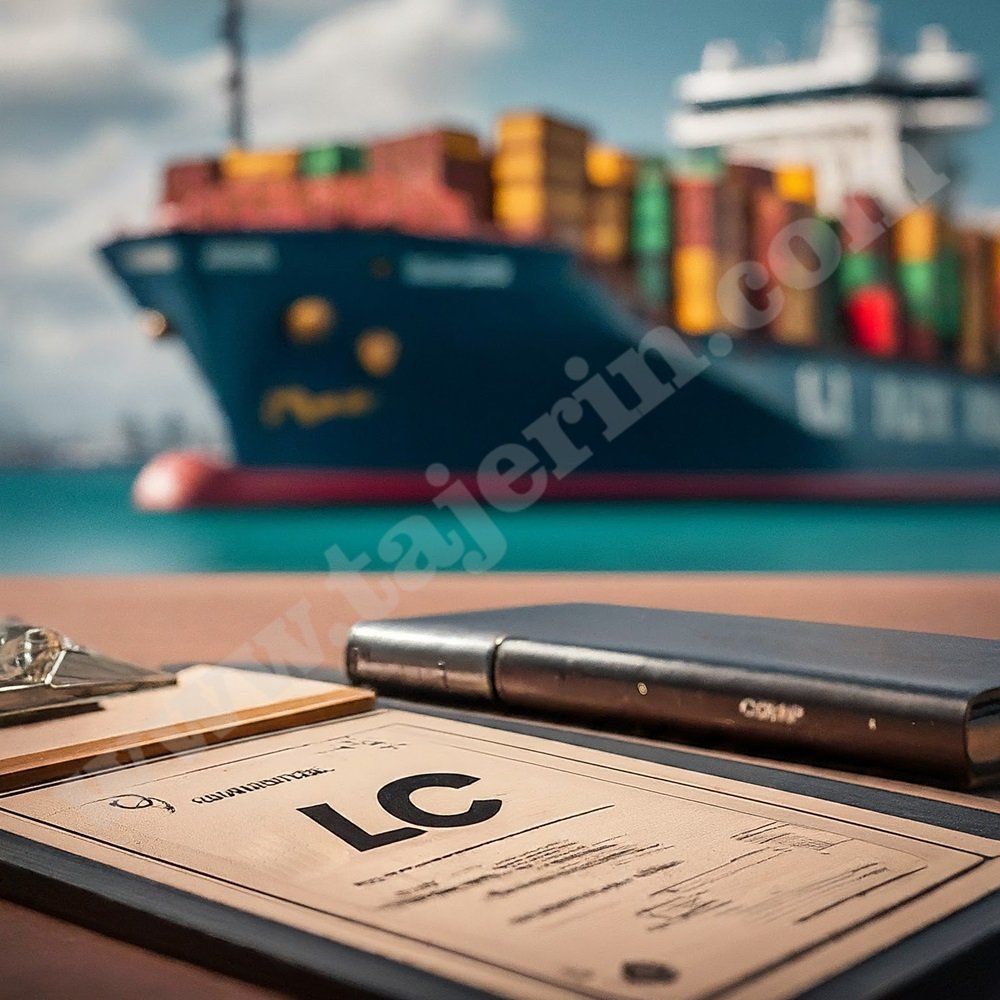
A Letter of Credit for Clinker and Bitumen can help structure payment security in international commodity transactions, especially when the buyer and seller have not worked together before. International clinker and bitumen transactions can involve substantial values, long shipping distances, different legal jurisdictions, and buyers and sellers who may never have worked together before.
For this reason, payment security matters.
A Letter of Credit for clinker and bitumen can provide a structured payment mechanism when both parties understand the conditions and prepare the documents correctly.
However, an LC does not automatically make a transaction risk-free.
A badly written LC can create delays, document discrepancies, additional banking costs, and even payment problems after the seller has shipped the cargo.
Therefore, buyers should treat the LC as part of the commercial transaction—not simply as a banking formality.
This guide explains what bulk buyers should check before using a Letter of Credit for clinker or bitumen purchases.
In a new international transaction, the buyer and seller usually have different concerns.
The buyer may worry about:
The seller may worry about:
A Letter of Credit can help create a defined structure between the two sides.
Instead of relying only on a promise to pay, the transaction uses agreed documentary conditions through banks.
However, the LC works properly only when the commercial contract and LC conditions match.

A Letter of Credit is a bank undertaking subject to specific terms and documentary conditions.
In simple terms, the issuing bank agrees to honor payment when the beneficiary presents documents that comply with the LC conditions. Many documentary credit transactions follow the UCP 600 rules published by the International Chamber of Commerce.
This distinction is important:
Banks examine documents. They do not normally inspect the physical clinker or bitumen cargo.
Therefore, buyers should not assume that an LC replaces:
The LC handles the documentary payment mechanism.
The contract, inspection arrangements, specifications, and logistics handle other parts of the transaction.
A bulk clinker transaction may involve several parties:
Therefore, document coordination becomes important.
A clinker LC may refer to documents such as:
The exact documents depend on the transaction. A Letter of Credit for Clinker and Bitumen should match the actual shipment, inspection, and document requirements.
Buyers should avoid adding unnecessary documentary requirements simply because they appear to provide more protection.
Every additional LC condition creates another requirement that the seller must satisfy correctly.
Bitumen transactions have some different operational considerations.
Depending on the product and shipment method, the transaction may involve:
Therefore, the documentation should match the actual shipment structure.
For example, a drum shipment and a bulk tanker shipment may require different commercial and transport documentation.
The buyer should clearly define:
The LC should then reflect the transaction that both parties actually agreed to.

This is one of the most important steps.
Do not open an LC while the specification is still under negotiation.
For clinker, the parties may need to agree on parameters such as:
For bitumen, the buyer should clearly define the required grade and applicable specification.
The contract should also explain how the parties will determine compliance.
If the buyer requires independent inspection, both parties should agree on the inspection company and procedure before opening the LC.
One common source of problems is inconsistency between the contract and the Letter of Credit.
For example:
The contract may allow shipment until November 30.
However, the LC may accidentally state November 20.
Or the contract may require one inspection document while the LC requires another document with different wording.
These differences can create discrepancies.
Before issuance, compare the LC draft against the commercial contract.
Check:
The details should work together.
More conditions do not necessarily mean more security.
Sometimes they simply create more opportunities for discrepancies.
For example, avoid requiring documents that:
A good LC should protect the transaction while remaining operationally achievable.
The question should be:
Can the seller reasonably produce every required document exactly as specified?
If the answer is uncertain, resolve the issue before the bank issues the LC.
A discrepancy occurs when the presented documents do not comply with the LC conditions.
The problem may be significant, or surprisingly small.
Examples can include:
Even when the physical cargo is perfectly acceptable, documentary discrepancies can complicate payment.
Therefore, both sides should review document requirements carefully before shipment.
Common issues include inconsistent document wording, shipment dates that do not match the LC terms, missing inspection documents, incorrect product descriptions, and differences between invoice, bill of lading, and certificate details. Buyers and sellers should review these points carefully before shipment to reduce the risk of document rejection or delayed payment.
This distinction is especially important in commodity trading.
Suppose a bank receives:
and the documents comply with the LC.
That does not necessarily mean that the bank independently verified the physical cargo.
For this reason, buyers who need independent quality assurance should define inspection separately.
Depending on the transaction, buyers may appoint a recognized inspection company to verify:
The inspection structure should match the commercial risk.
Not every LC works equally well with every bank, country, or transaction structure.
Before the buyer issues the LC, both sides should confirm whether the proposed banking arrangement is acceptable. Before opening a Letter of Credit for Clinker and Bitumen, both sides should confirm the issuing bank and the required banking structure.
Important questions may include:
These questions should not remain unresolved until after the contract is signed.
Letters of Credit create banking costs.
Depending on the structure, these may include:
The parties should agree on who bears each category of banking charges.
A payment method that appears secure can become unnecessarily expensive if neither side reviews the cost structure in advance.
LC transactions require coordination.
The buyer may need time to:
Therefore, buyers should avoid creating unrealistic shipment deadlines.
Opening the LC late and still expecting immediate vessel nomination or cargo preparation can create unnecessary pressure throughout the supply chain.
One of the simplest ways to prevent problems is to exchange a draft LC before final issuance.
The seller can review:
and identify conditions that may be difficult to satisfy.
Correcting a draft is usually much easier than amending an issued LC.
Therefore, both parties benefit from reviewing the wording early.
LC amendments can solve genuine problems, but repeated amendments usually indicate weak preparation.
They can also create:
Therefore, the buyer and seller should agree on the main commercial conditions before issuance.
A well-prepared LC may still require an amendment, but amendments should not become the normal way of negotiating the transaction.
Several problems appear repeatedly in international trade.
Commercial terms continue changing after issuance.
As a result, the LC requires amendments.
The wording may create uncertainty about what the seller must supply.
Each unnecessary document increases the possibility of a discrepancy.
The seller cannot prepare the cargo and logistics within the specified period.
The buyer issues the LC through a bank the seller cannot comfortably accept.
The buyer assumes documentary payment automatically guarantees physical cargo quality.
These mistakes are avoidable with better preparation.
Before instructing your bank, confirm:
If any important point remains unclear, resolve it before issuance.
Tajerin supplies clinker, bitumen, and other commercial products through established production and supply sources.
When a buyer wants to use a Letter of Credit, the commercial structure needs to work for the specific transaction.
Therefore, before proceeding, the parties should align:
Tajerin reviews the commercial requirements with the relevant supply side before the transaction moves forward.
The objective is not to make the payment structure complicated.
The objective is to create commercial terms that both sides can actually perform.
If you are purchasing clinker or bitumen, first send:
Product: Clinker / Bitumen
Specification / Grade:
Quantity:
Destination Port / Country:
Preferred Incoterm:
Required Shipment Period:
Preferred Payment Method: LC or other
Inspection Requirements: if applicable
Tajerin can review available supply options and commercial conditions before the parties finalize the transaction. A well-prepared Letter of Credit for Clinker and Bitumen can reduce avoidable payment and documentation problems.
Get the quotation first. Compare the product, price, logistics and payment terms. Then structure the LC around the transaction you actually intend to execute.
No. An LC can reduce certain payment risks, but it does not eliminate product, logistics, contractual, banking, or documentary risks.
Banks primarily examine documents under the LC. Buyers who require physical product verification should arrange appropriate inspection separately.
Where practical, draft review can help identify documentary or commercial problems before the issuing bank releases the final LC.
Yes, subject to the applicable banking process and agreement where required. However, repeated amendments can increase costs and cause delays.
No. The documentation and shipment structure should reflect the actual product, packing or bulk method, inspection requirements, and commercial terms.
LC acceptance depends on the specific transaction, banking structure, supply source, country, amount, and agreed commercial terms. Buyers should provide their requirements so the proposed payment structure can be reviewed.