
Address:
Etesami St, Ziba Shahr, Bandar Abbas
Whatsapp:
Email:
info@tajerin.com
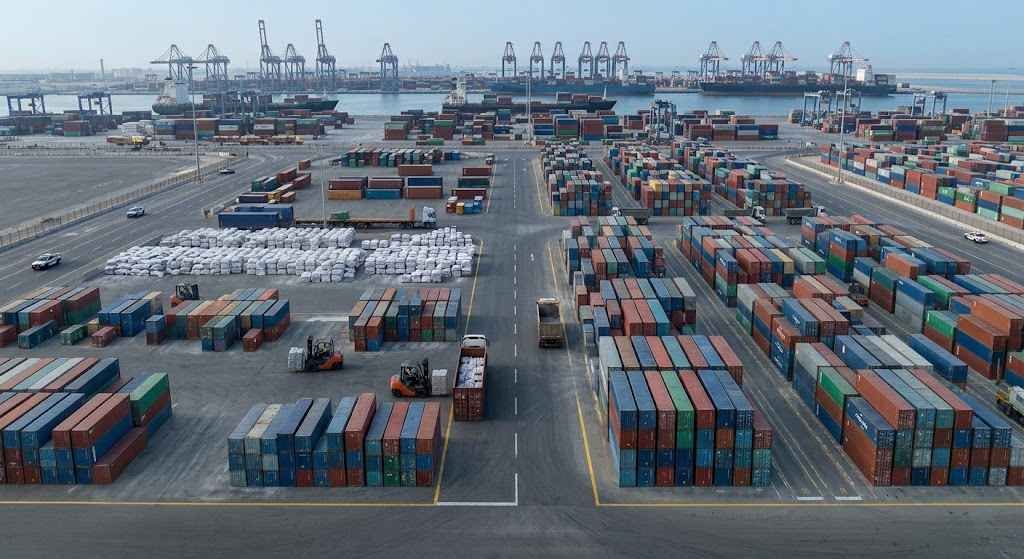
The main commercial developments this week were stronger clinker movement in India, a sharp increase in Chinese cement and clinker exports, and continued uncertainty in Gulf freight quotations. For buyers, India shows improving demand potential, but greater domestic clinker availability and aggressive Chinese exports may limit the acceptable CFR price.
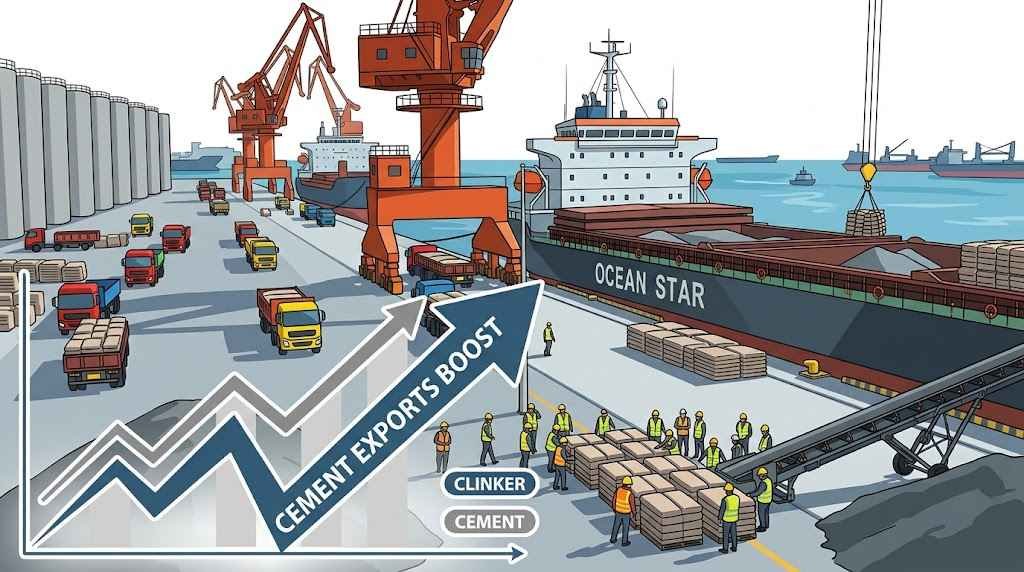
China exported approximately 2.88 million tonnes of cement and clinker in September 2026, representing an increase of 188.4% compared with the same month last year. Total exports between January and September reached approximately 20.96 million tonnes, up 181.6% year on year.
The figures indicate that Chinese producers are increasingly directing surplus material toward export markets while domestic cement demand remains under pressure.
Higher Chinese exports can increase price competition in Bangladesh, Southeast Asia, East Africa and parts of the Indian market. Buyers receiving Chinese quotations may use them as a negotiating benchmark against suppliers from the Gulf.
However, the lowest FOB price does not always produce the lowest landed cost. Longer transit times, freight availability, product consistency and shipment reliability must also be considered.
Gulf suppliers should compare offers on a complete CFR basis rather than responding only to Chinese FOB prices. Shorter shipping distances, stable specifications and reliable delivery schedules should be clearly included in commercial proposals.
Indian Railways reported that clinker freight loading increased by 20% year on year in September 2026. Total railway freight loading rose by 6.14% during the same period.
Cement producers were also expected to attempt price increases of approximately INR 10–15 per bag from mid-October, supported by the beginning of the active construction season and higher fuel and packaging costs.
The data suggests healthier cement-sector activity, which may support demand for raw materials. At the same time, stronger domestic clinker transportation means Indian plants may have greater access to locally produced material.
As a result, imported clinker may remain attractive mainly for coastal grinding plants where the delivered CFR cost can compete with the cost of transporting domestic clinker over long distances.
Before issuing a firm quotation, suppliers should ask the buyer for:
A trial shipment or short-term contract may be more practical than offering a long-term fixed price while freight and fuel costs remain uncertain.
The Baltic Dry Index declined to approximately 2,511 points on 16 October after a significant weekly fall. However, the smaller Supramax and Handysize segments remained more resilient.
Drewry’s Intra-Asia Container Index also declined by 3% to approximately USD 1,453 per 40-foot container on 15 October.
The decline in the general Baltic Dry Index was driven mainly by larger vessel segments. It should not automatically be interpreted as a comparable reduction in freight for Handysize or Supramax vessels commonly considered for clinker and bulk gypsum shipments.
The container index is more relevant to samples, bagged gypsum and smaller shipments than to commercial bulk clinker cargoes.
For Gulf load ports, vessel acceptance, marine insurance, bunker costs and route-specific availability may continue to outweigh movements in general freight indices.
CFR quotations should remain:
Buyers should request a route-specific freight indication rather than calculating freight changes directly from the Baltic Dry Index.
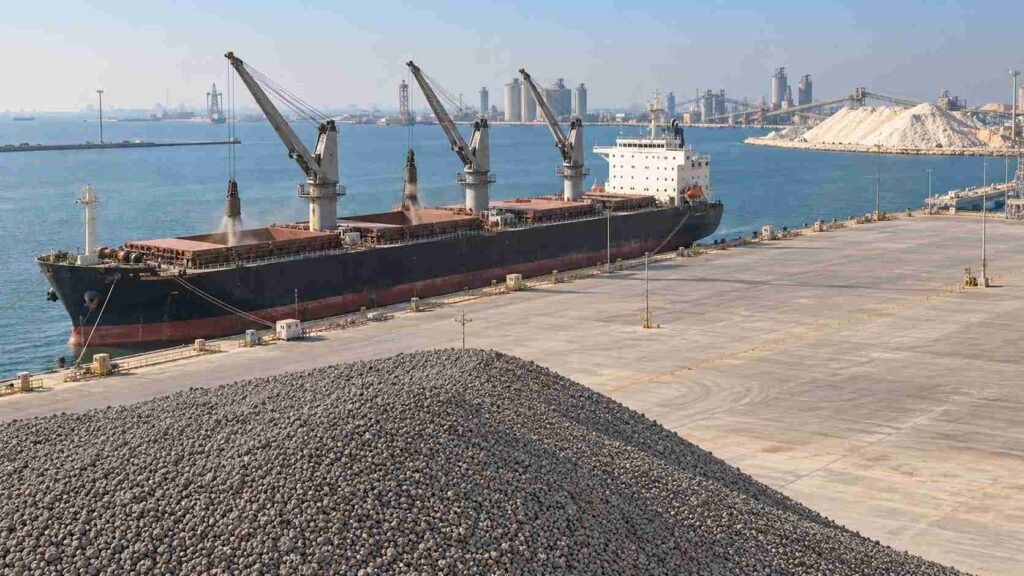
India’s anti-dumping duty covering Calcined Gypsum Powder or Gypsum Plaster originating in or exported from Iran, Oman, Saudi Arabia and the UAE has been extended until 16 March 2027 while the sunset review continues.
This measure concerns calcined gypsum powder and gypsum plaster. It should not automatically be applied to natural gypsum stone without confirming the product classification and HS code.
The measure may increase the landed cost and customs risk of calcined gypsum powder supplied from the Gulf to India. It can also affect price negotiations if the exporter and importer have not confirmed the applicable producer, origin and reference value before signing the contract.
Natural gypsum stone may have a different customs treatment, but the Indian importer should obtain written confirmation from its customs or clearing agent.
Quotations should clearly distinguish between:
The buyer should confirm the HS code, product description and anti-dumping exposure before the supplier issues a final commercial invoice.
Market position: Balanced, with high logistics and competitive-price risk.
India presents better downstream demand potential, but local clinker availability is improving. Meanwhile, rapidly rising Chinese exports may limit price increases in regional clinker markets.
For Gulf suppliers, the strongest commercial advantage is not necessarily the lowest FOB price. A competitive landed cost, shorter transit time, consistent specifications and reliable vessel arrangements may provide a stronger offer.
Looking for a current FOB or CFR quotation for clinker, gypsum stone or gypsum powder?
Send Tajerin Trading your required quantity, product specifications and destination port to review available supply and shipping options.