Address:
Etesami St, Ziba Shahr, Bandar Abbas
Whatsapp:
Email:
info@tajerin.com
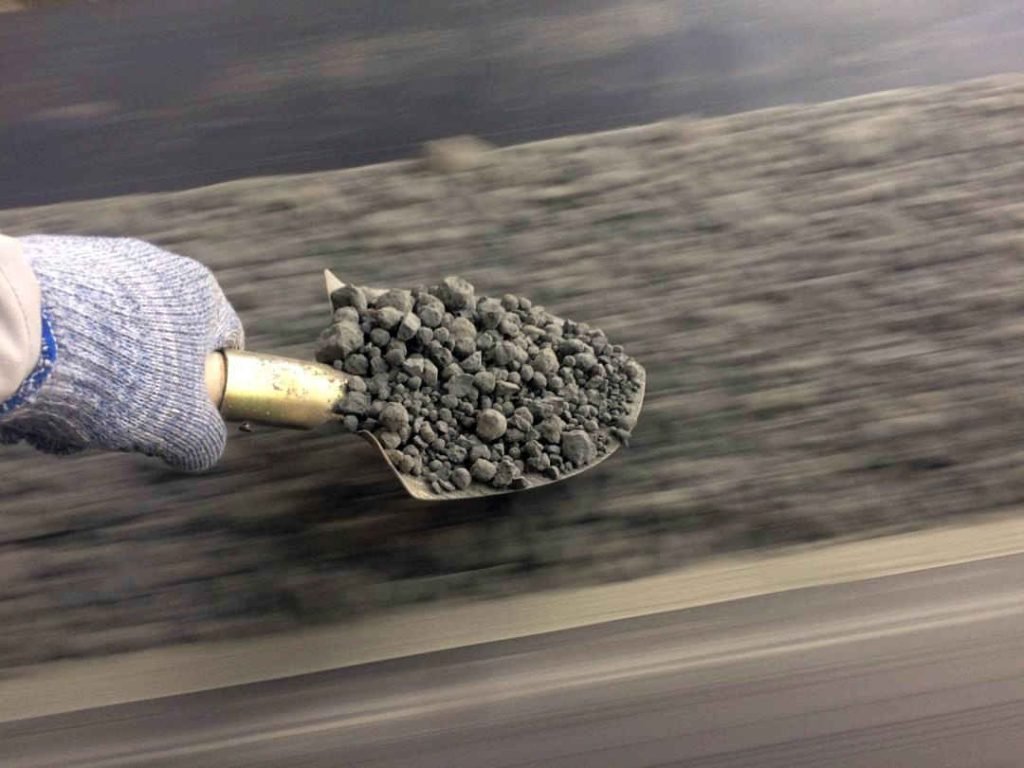
Choosing a clinker supplier involves more than comparing prices. Buyers also need to consider clinker quality, supply capacity, origin, shipping options, payment terms, and the supplier’s ability to provide the required documentation.
This guide looks at major clinker-supplying countries and explains the practical factors buyers should check before selecting a supplier for bulk orders.
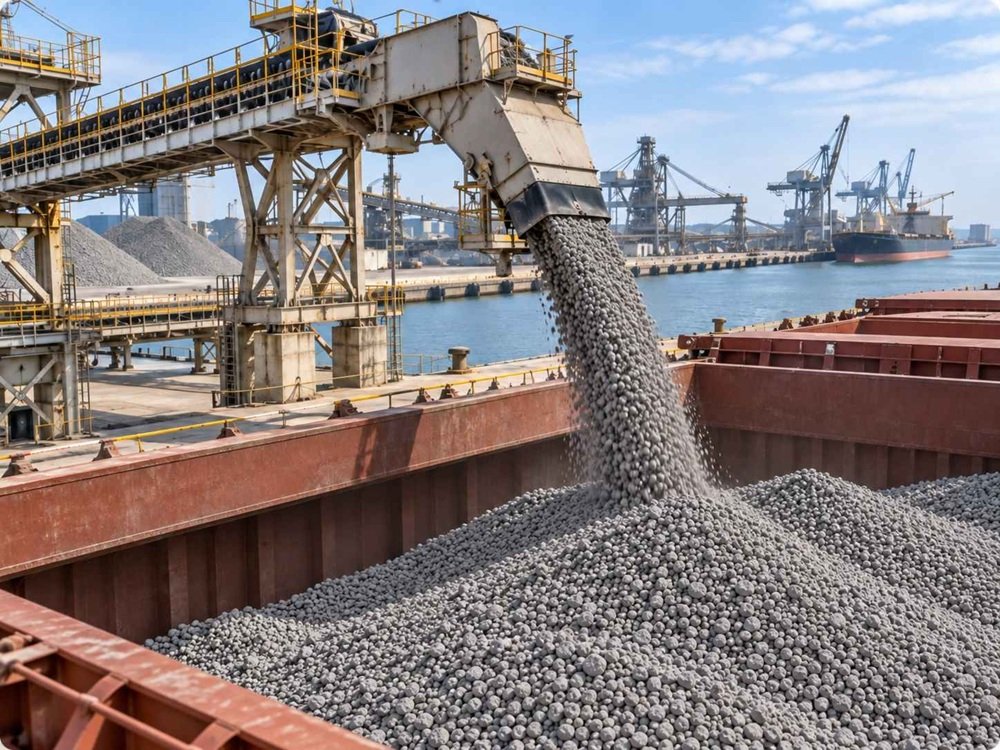
The global clinker trade changes from year to year as cement demand, production capacity, energy costs, freight rates, and regional supply conditions change.
According to 2024 international trade data for cement clinker (HS 252310), several countries recorded significant clinker exports, including Egypt, Indonesia, Algeria, Turkey, Saudi Arabia, Thailand, and Pakistan. World Integrated Trade Solution
Among these markets:
These figures should not be interpreted as a permanent ranking of the “best” clinker suppliers. Export volumes and trade values can change significantly, and the right origin for a buyer depends on specifications, freight, destination, availability, and commercial terms.
A large exporting country does not automatically mean that every supplier in that country is suitable for every buyer.
For cement factories, grinding plants, importers, and traders, a reliable clinker supplier should be evaluated on several practical factors.
Buyers who already know their required specifications and shipment details can also visit our clinker supply page for commercial supply options and quotation requirements.
The first consideration should be whether the clinker matches the technical requirements of the buyer.
Important chemical parameters commonly reviewed include:
Buyers may also need to evaluate other physical and chemical characteristics depending on the type of cement they intend to produce.
For more detail, read our guide to clinker quality analysis.

One good laboratory report is not enough for a long-term supply relationship.
Cement manufacturers generally need consistent clinker characteristics across repeated shipments. Significant variations in chemical composition can affect the grinding process and the properties of the finished cement.
For recurring contracts, buyers should therefore discuss quality tolerances, inspection procedures, and shipment specifications before finalizing the agreement.
A supplier should be able to support the required order quantity and shipment schedule.
This becomes particularly important for large cement plants or buyers planning regular shipments throughout the year.
Before signing a long-term contract, buyers should clarify:
Clinker is a heavy bulk commodity, so logistics can significantly affect the final delivered cost.
A competitive material price at origin does not necessarily result in the lowest landed cost.
Buyers should consider:
For large bulk shipments, even operational details at the loading or discharge port can have a meaningful financial impact.
Our guide on avoiding vessel demurrage in clinker shipments explains this subject in more detail.
The commercial term used in a clinker contract determines which costs and responsibilities are allocated to the buyer and seller.
Common arrangements include:
FOB (Free on Board):
The seller handles the cargo up to loading on board the vessel at the agreed port, while the buyer generally arranges the main ocean freight.
CFR (Cost and Freight):
The seller arranges and pays the freight to the named destination port, while insurance arrangements remain subject to the agreed contract terms.
CIF (Cost, Insurance and Freight):
The seller arranges freight and the insurance required under the applicable CIF terms to the named destination port.
The appropriate Incoterm depends on the buyer’s logistics capabilities, freight arrangements, destination, and commercial strategy.
When comparing clinker suppliers, buyers often begin with the price per ton. However, the lowest quoted material price may not result in the lowest total purchasing cost.
The final cost can be affected by:
For this reason, buyers should compare quotations on the same commercial basis.
For example, comparing one supplier’s FOB price with another supplier’s CIF price would not provide a meaningful comparison without accounting for freight and other associated costs.
International clinker transactions normally require commercial and shipping documentation appropriate to the transaction.
Depending on the contract, documents may include:
Independent inspection can also be agreed when the buyer requires verification of quantity, quality, loading, or other contractual conditions.
Payment structure is another important factor when selecting a clinker supplier.
Depending on the transaction and agreement between the parties, payment may involve a Letter of Credit (LC) or another mutually agreed payment method.
For larger international transactions, buyers and sellers should make sure that the payment conditions, required documents, shipment dates, and contract terms are aligned before shipment.
You can read our detailed guide on handling a Letter of Credit in clinker export deals.
Clinker trade routes change according to regional cement demand, production capacity, freight economics, and temporary supply shortages.
For example, Turkey exported nearly 5.96 million tonnes of clinker in 2024 to a wide range of destinations. Major reported destinations included Italy, Belgium, Georgia, Romania, France, Côte d’Ivoire, Cyprus, Spain, Liberia, Brazil, and the United States. World Integrated Trade Solution
Vietnam also continued supplying clinker to several international markets in 2024, with reported destinations including Malaysia, the Philippines, Chile, Peru, Nicaragua and Ghana. World Integrated Trade Solution
These patterns demonstrate an important point for buyers: clinker sourcing is not simply about finding the geographically closest producer. Freight conditions, available vessels, specifications, production surplus, and port economics can make a more distant origin commercially attractive.
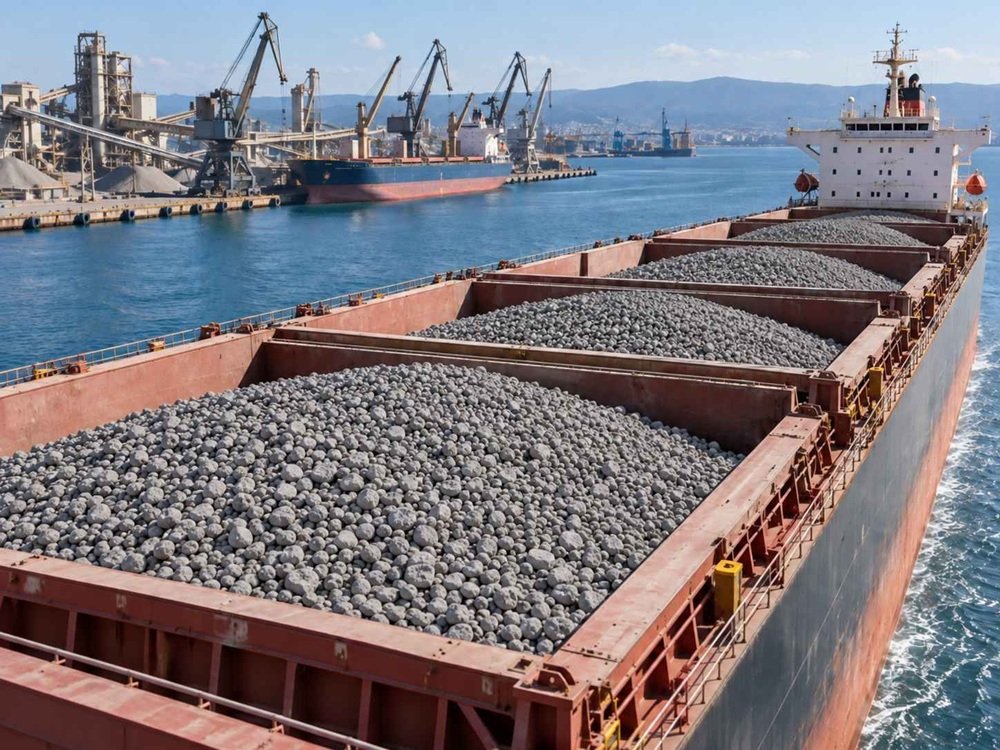
Before selecting a supplier, buyers can prepare a simple comparison using the same requirements for every quotation.
Ask each potential supplier for:
This makes quotations easier to compare and reduces misunderstandings later in the negotiation.
A quotation that appears cheaper at first may become more expensive after freight, port costs, financing, or operational risks are included.
Both models can work in international clinker purchasing.
Buying directly from a producer may be suitable when the factory has the required material, export capability, commercial terms, and logistics arrangements for the destination.
A trading and supply company can also add value when the buyer needs assistance with sourcing, commercial coordination, documentation, alternative supply options, or logistics.
The important question is therefore not simply “Is this company a manufacturer?”
A better question is:
Can this supplier deliver the required clinker, with the agreed specifications, quantity, documents, commercial terms, and shipment conditions?
That is ultimately what determines whether a sourcing arrangement works.
Buyers should be cautious when a potential supplier:
Proper due diligence becomes increasingly important as the transaction value increases.
Tajerin works with buyers seeking clinker for cement production and bulk trading requirements.
Instead of treating every inquiry the same way, we evaluate the buyer’s required specifications, quantity, destination, delivery terms, and shipment requirements before preparing the commercial options.
If you are currently looking for a clinker supplier, visit our clinker supply page for specifications, shipping options, pricing factors, and quotation requirements.
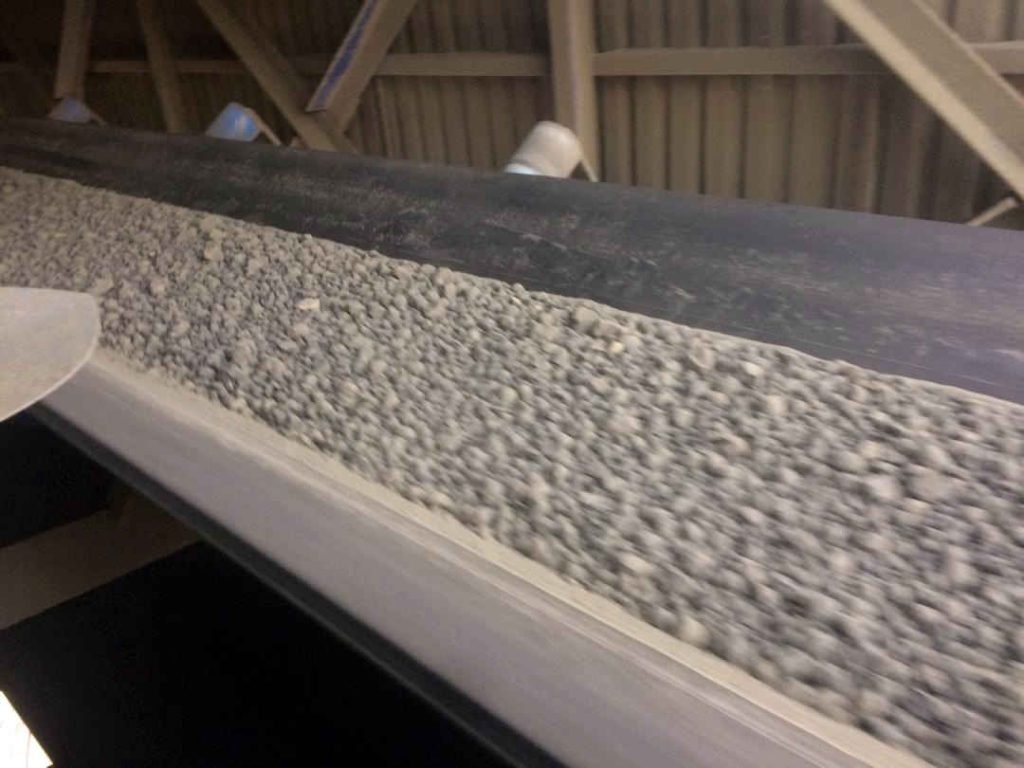
A clear inquiry helps suppliers respond faster and more accurately.
When requesting a quotation, provide:
If you do not yet have all these details, the destination and approximate quantity are useful starting points.
Looking for a clinker supplier? Send us your required quantity, destination port, and preferred delivery term to receive available supply and quotation options.
There is no single clinker supplier that is automatically suitable for every buyer.
The right choice depends on the required quality, quantity, origin, freight conditions, destination, payment terms, documentation, and delivery schedule.
Large clinker-exporting countries can provide useful starting points for sourcing, but buyers should evaluate the actual commercial offer rather than choosing a supplier based only on country, company size, or the lowest quoted price.
A good sourcing decision compares the complete transaction, from clinker specifications and price to logistics, documentation, payment, and delivery risk.
Sources: