
Iran Clinker Production Falls 11% – Weekly Market Update
Published: 23 November 2026
Reporting Period: 16–22 November 2026
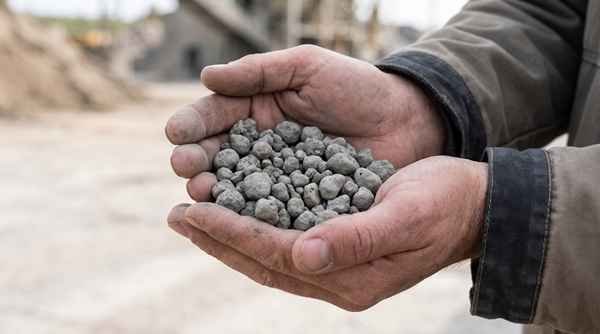
Iran Clinker Production November 2026 emerged as a significant supply-side development this week, following industry figures showing an 11% year-on-year decline in clinker output, despite higher cement production. Meanwhile, UltraTech Cement progressed new grinding facilities in India, Zimbabwe reported cement production constraints linked partly to clinker shortages, and Asian Supramax freight conditions remained mixed.
For bulk buyers, these developments highlight the importance of verifying available supply, comparing delivered costs and confirming shipment schedules before concluding new contracts.
Weekly Market Summary
- Iranian clinker production declined by 11% year on year to 38.9 million tonnes during the reported seven-month period.
- Iranian cement production increased by 7% to 40.4 million tonnes over the same reporting period.
- UltraTech Cement selected Loesche to supply grinding equipment for two facilities in India.
- Zimbabwe reported cement production below domestic demand, partly due to clinker shortages and operational constraints.
- Asian Supramax freight conditions showed signs of stabilisation in some northern routes, while Southeast Asian markets remained under pressure.
1. Iran Clinker Production Declines Despite Higher Cement Output
What Changed
Industry figures reported on 16 November 2026 showed a notable difference between Iran’s cement and clinker production trends.
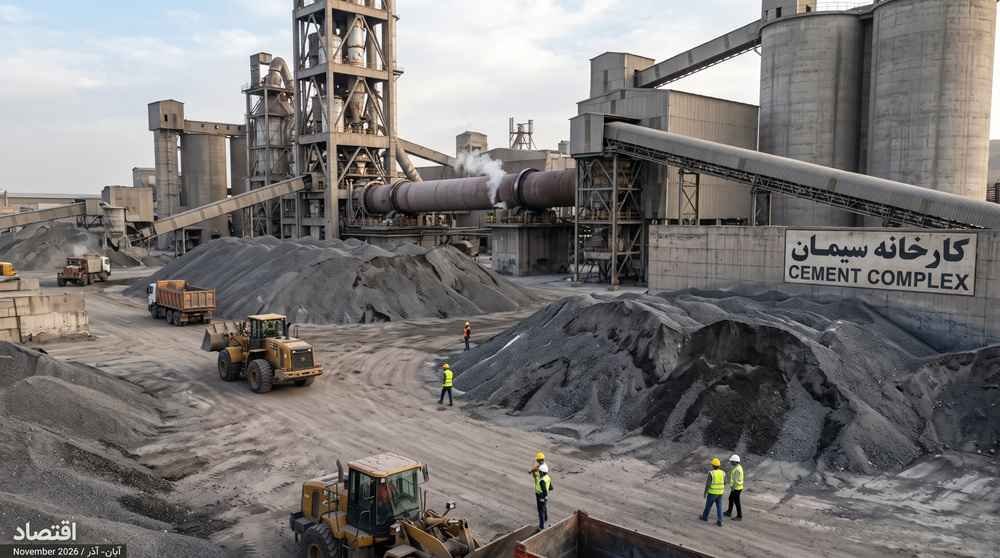
According to Ali-Akbar Alvandian, secretary of Iran’s Cement Industry Association, cement production increased by 7% year on year to approximately 40.4 million tonnes during the reported seven-month period.
However, clinker production declined by approximately 11%, from 43.8 million tonnes to 38.9 million tonnes.
The reported figures indicate that clinker and cement production did not follow the same direction during the period.
Commercial Impact
For international clinker buyers, lower national clinker production is a development worth monitoring.
A reduction in production may influence export availability at individual plants, particularly where producers must also meet domestic cement manufacturing requirements.
However, the reported decline does not establish an equivalent reduction in exportable clinker stocks or prove that international FOB prices have increased.
Actual availability depends on individual factory production schedules, existing inventories, contractual commitments and export arrangements.
For buyers considering shipments from Iran, confirmed allocation and loading arrangements remain more reliable indicators than national production figures alone.
Recommended Action
Before placing a large-volume clinker order, buyers should:
- Confirm the available quantity and production source.
- Request updated clinker specifications and quality documentation.
- Verify the proposed loading period and port arrangements.
- Compare FOB and CFR quotations using consistent commercial assumptions.
For bulk supply specifications and quotation enquiries, visit Tajerin’s Clinker Supplier page.
2. UltraTech Cement Advances Two Grinding Projects in India
What Changed

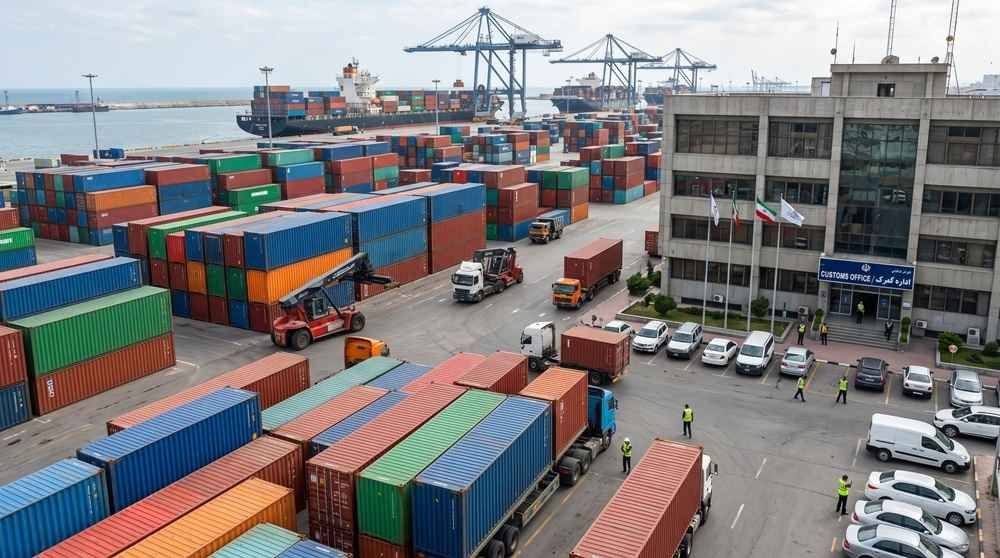
On 16 November 2026, industry reporting confirmed that Loesche had secured contracts to supply grinding equipment for two UltraTech Cement facilities.
The projects are located at Wanakbori in Gujarat and Dankuni in West Bengal.
At Wanakbori, the planned vertical roller mill will have a slag grinding capacity of 180 tonnes per hour, with higher throughput possible for less finely ground materials.
The Dankuni installation will have a capacity of 120 tonnes per hour for ordinary Portland cement.
Commissioning of both facilities is planned for the first quarter of 2027.
Commercial Impact
The projects indicate continued investment in India’s cement grinding infrastructure.
New grinding capacity can influence demand for cement-production inputs, including clinker, slag and gypsum, depending on plant configurations.
However, the equipment contracts do not independently confirm new clinker import requirements.
International suppliers should distinguish between the expansion of cement grinding capacity and an actual increase in externally sourced clinker demand.
Recommended Action
Suppliers should monitor commissioning schedules, raw-material requirements and future procurement opportunities.
For buyers evaluating natural gypsum supply for cement production, see Tajerin’s Gypsum Stone Supplier page.
3. Zimbabwe Reports Cement Supply Constraints Linked to Clinker Shortages
What Changed
On 20 November 2026, industry reporting highlighted a cement supply shortfall in Zimbabwe.
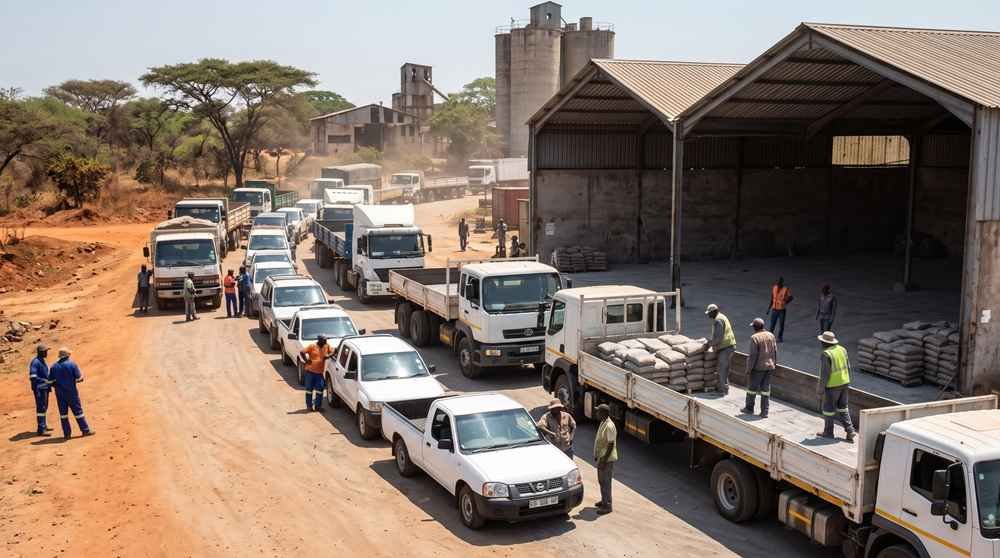
According to the country’s Minister of Industry and Commerce, annual cement production is approximately 1.6 million tonnes against estimated demand of 2.5 million tonnes, despite installed capacity of 3.6 million tonnes per year.
The reported production constraints include maintenance shutdowns, clinker shortages and logistics difficulties.
The government has issued import licences covering approximately 600,000 tonnes of cement since January 2026 and is considering temporarily removing an import surtax.
Commercial Impact
The reported shortfall indicates potential opportunities for cement importers and regional suppliers.
However, Zimbabwe is a landlocked market, making inland transportation and delivery arrangements particularly important.
Importing clinker may not automatically resolve cement shortages unless local grinding capacity, logistics and suitable commercial arrangements are available.
For international suppliers, the relevant comparison is the complete landed cost at the buyer’s receiving location, rather than the FOB product price alone.
Recommended Action
Potential buyers should verify import permissions, required product types and transportation arrangements before requesting firm quotations.
A complete comparison should include ocean freight where applicable, inland transport, handling charges and customs costs.
4. Asian Supramax Freight Shows Signs of Stabilisation
What Changed
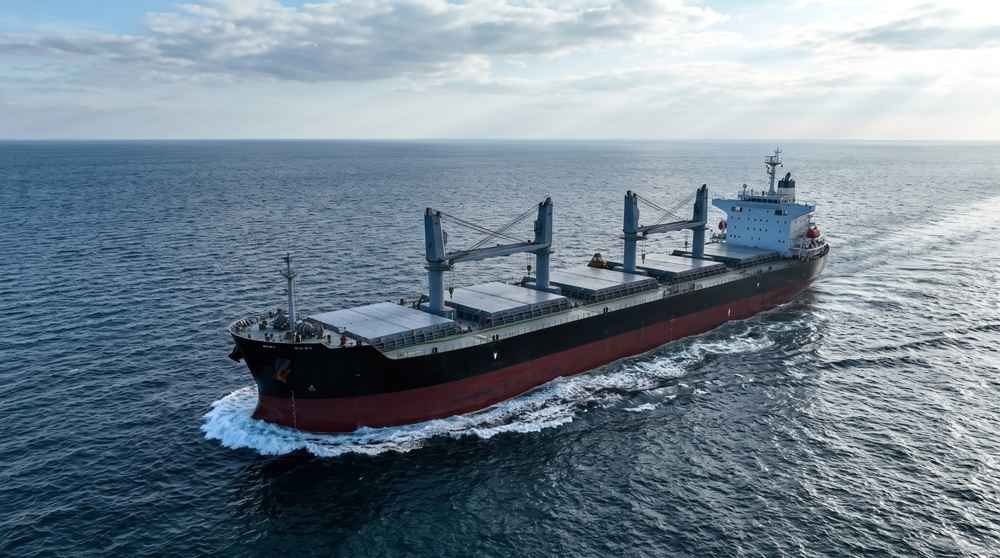
The Baltic Exchange’s Week 47 report, published on 20 November 2026, described a relatively stable Ultramax/Supramax market compared with the previous week.
The rate decline in the Pacific slowed, supported by improved activity in northern Asian markets.
Reported fixtures included two modern 64,000-dwt vessels from North China to West Africa at daily hire rates of US$25,100 and US$25,250.
A 63,000-dwt vessel from South China to Bangladesh was also reported at US$30,750 per day.
These fixtures should not be interpreted as clinker-specific freight quotations because the reported cargo descriptions do not independently establish that they carried clinker.
Southeast Asian freight conditions remained comparatively weaker.
Commercial Impact
For clinker and gypsum buyers, regional differences in vessel availability can materially affect shipment economics.
A general stabilisation in freight markets does not guarantee unchanged or lower costs on an individual route.
Loading port, destination, vessel positioning, cargo quantity, laycan and discharge productivity can all affect the final delivered quotation.
Recommended Action
Obtain fresh freight indications for the intended loading and discharge ports.
Compare FOB and CFR quotations using the same shipment period, cargo quantity and operational assumptions.
Weekly Commercial Outlook
Market Assessment: Uncertain
Iran’s reported clinker production decline introduces an important supply-side consideration, but its impact on export prices and available quantities remains unconfirmed.
India’s investment in grinding infrastructure supports longer-term industrial activity, while Zimbabwe’s reported clinker-related constraints highlight potential demand opportunities in selected African markets.
Meanwhile, mixed Asian freight conditions reinforce the need for route-specific shipping quotations.
For natural gypsum stone and gypsum powder, no independently verified major price or regulatory change was identified during the reporting period.
Buyer Checklist
Before confirming a bulk clinker or gypsum purchase:
- Request confirmation of available quantity and supply source.
- Verify the required chemical and physical specifications.
- Obtain updated FOB and CFR quotations.
- Confirm shipment timing and loading arrangements.
- Check port restrictions and discharge capacity.
- Review inspection, payment and shipping documentation.
- Clarify laytime and demurrage provisions before finalising a contract.
For previous weekly developments, visit Tajerin Market News.
Request a Bulk Supply Quotation
Tajerin is a trading and supply company working with production and supply sources for clinker, gypsum and other industrial materials.
We provide commercial quotations based on buyers’ specifications and can assist with shipment coordination through logistics partners.
Please send us your:
- Product
- Required specifications
- Quantity
- Destination port
- Preferred Incoterm
- Required shipment period
Contact Tajerin to request a quotation, compare it with your other options and select the commercial terms that work best for you.
Sources
1. Tehran Times – 16 November 2026
Cement production rises 7%, exports to Afghanistan increase.
Supports the reported Iranian cement and clinker production figures.
https://www.tehrantimes.com/news/532209/Cement-production-rises-7-exports-to-Afghanistan-increase
2. Global Cement – 16 November 2026
UltraTech Cement hires Loesche for two clinker and slag grinding plants.
Supports the new grinding-equipment contracts, capacities and commissioning plans.
https://www.globalcement.com/news/21493-ultratech-cement-hires-loesche-for-two-clinker-and-slag-grinding-plants
3. Global Cement – 20 November 2026
Zimbabwe cement output falls short of rising demand.
Supports the reported production shortfall, clinker supply constraints and import licensing developments.
https://www.globalcement.com/news/21516-zimbabwe-cement-output-falls-short-of-rising-demand
4. Baltic Exchange – 20 November 2026
Bulk Report – Week 47.
Supports the regional dry-bulk freight analysis and reported Supramax fixtures.
https://www.balticexchange.com/en/data-services/WeeklyRoundup/dry/news/2026/bulk-report-week-47.html