
India Clinker Capacity Expansion 2026 – Weekly Market Update
Published: 9 November 2026
Reporting Period: 2–8 November 2026
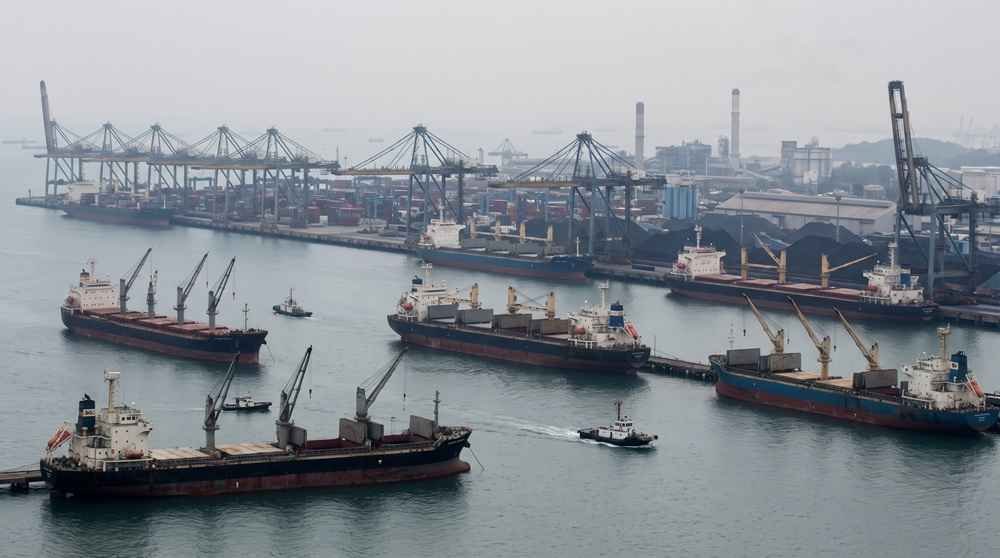
India Clinker Capacity Expansion 2026 emerged as an important development in the regional cement market this week, as Ambuja Cements outlined major investments in new grinding and clinker production capacity. Meanwhile, Indian cement producers reported higher sales volumes alongside rising production costs, while Asian dry-bulk freight conditions weakened. These developments provide important commercial signals for clinker buyers and suppliers planning new contracts and bulk shipments.
Weekly Market Summary
- Ambuja Cements announced plans to expand cement capacity by 30 million tonnes per year, alongside additional clinker production capacity.
- Birla Corporation reported a 13% increase in clinker costs despite higher cement sales volumes.
- Ramco Cements recorded an 8% increase in cement sales volume but lower profitability.
- Baltic Exchange reported weaker Supramax freight conditions in Asia and the Indian Ocean.
- Riyadh Cement reported lower grey cement sales volumes and selling prices.
1. India Announces Major Clinker and Cement Capacity Expansion
What Changed
On 2 November 2026, industry reports outlined Ambuja Cements’ plans to invest approximately US$1.5 billion in cement capacity expansion.
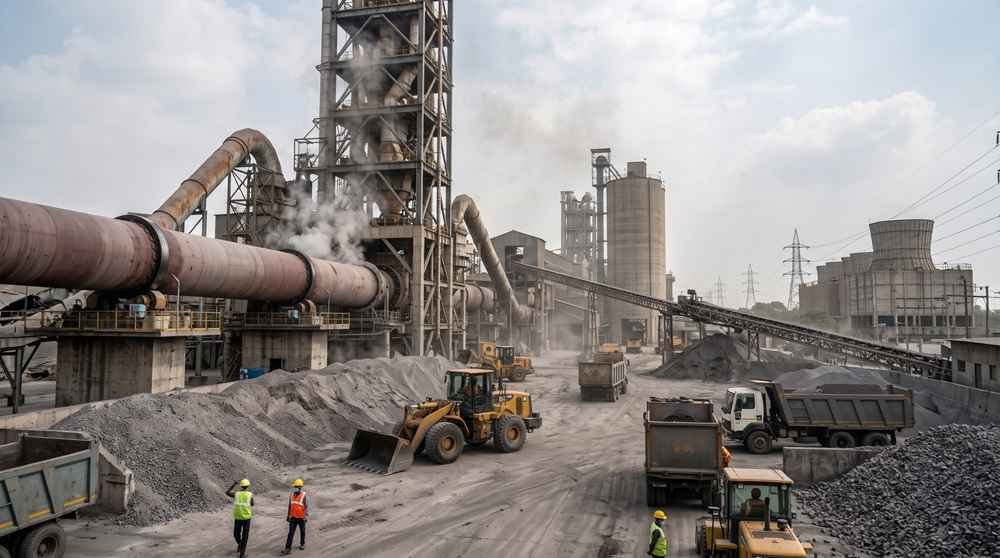
The programme aims to add 30 million tonnes per year of cement production capacity, including new grinding units across western, eastern and northern India.
Planned clinker capacity additions include:
- Umrangso, Assam: 4 million tonnes per year
- Maratha, Maharashtra: 4 million tonnes per year
- Mundra, Gujarat: 2.3 million tonnes per year
The company aims to reach 155 million tonnes per year of cement capacity by the 2030 financial year.
Commercial Impact
New grinding capacity can influence clinker requirements across regional cement markets.
However, Ambuja is also expanding its own clinker production capacity. Therefore, additional grinding capacity should not automatically be interpreted as higher demand for imported clinker.
For international suppliers, the developments indicate the importance of monitoring regional production balances and identifying potential supply gaps.
Recommended Action
Bulk buyers and suppliers should monitor planned grinding projects, clinker capacity additions and their commissioning schedules before drawing conclusions about future import demand.
For available specifications and commercial supply options, visit Tajerin’s Clinker Supplier page.
2. Indian Cement Producers Face Higher Clinker and Production Costs
What Changed
Birla Corporation reported a 7% year-on-year increase in cement sales volumes for the quarter ending September 2026.
However, the company also reported a 13% increase in clinker costs and a 15% increase in power and fuel costs. Net profit declined by 59% year on year.
Ramco Cements separately reported an 8% increase in cement sales volumes, while its net profit declined by 9%.
Commercial Impact
These results highlight the challenge of managing manufacturing costs despite improving sales volumes.
For clinker procurement teams, higher input costs can increase the importance of competitive supply quotations, freight optimisation and clearly defined contract terms.
However, company-specific cost changes should not be treated as universal increases in international clinker prices.
Recommended Action
Compare current FOB and CFR quotations based on consistent technical specifications, shipment volumes and payment conditions.
3. Asian Supramax Freight Market Weakens
What Changed
The Baltic Exchange reported softer Ultramax and Supramax freight conditions in its Week 45 report, published on 6 November 2026.
In Asia, increasing vessel availability placed pressure on freight levels, while weaker cargo enquiry contributed to particularly soft conditions in the Indian Ocean.
The market also experienced increased competition from vessels positioned around India and Chittagong.
Commercial Impact
Softer freight conditions may create opportunities for bulk clinker and gypsum buyers to negotiate more competitive transportation costs.
Nevertheless, vessel availability and freight pricing remain route-specific.
A reduction in regional time-charter rates does not necessarily translate into an equivalent reduction in CFR prices for every cargo.
Recommended Action
Request updated freight indications based on the actual loading port, destination, cargo size and proposed shipment window.
Pay particular attention to discharge rates, laytime and demurrage provisions before confirming commercial terms.
4. Saudi Grey Cement Market Faces Pricing Pressure
What Changed
Riyadh Cement reported an 8% decline in net profit for the first nine months of 2026.
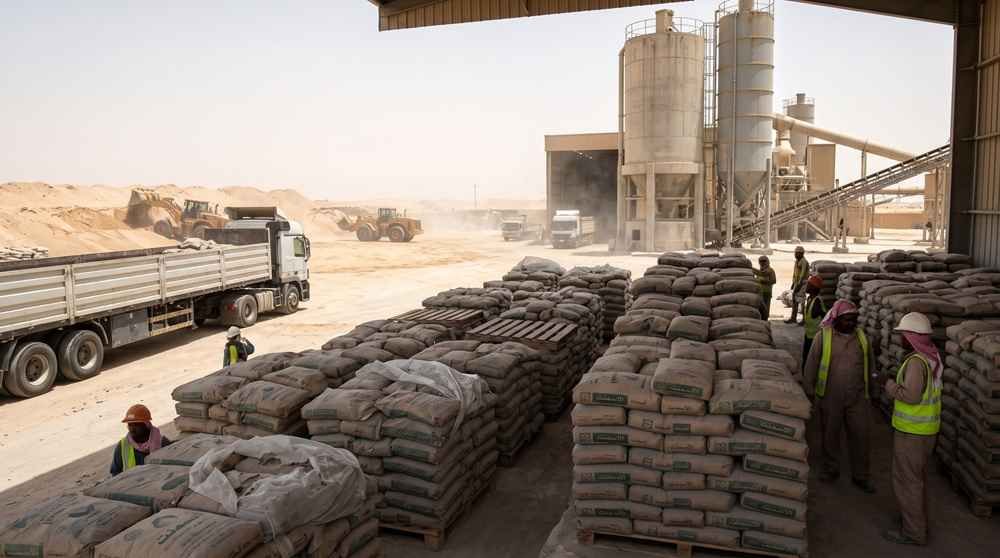
The company attributed the decline partly to lower grey cement sales volumes and selling prices, while white cement performance improved.
Commercial Impact
The results indicate pricing pressure in part of Saudi Arabia’s cement market.
However, one producer’s financial results do not establish a general decline in Saudi clinker export prices or regional cement demand.
Recommended Action
Buyers evaluating Saudi supply options should obtain current, product-specific quotations instead of assuming that domestic grey cement pricing trends apply to export clinker.
Weekly Commercial Outlook
Market Assessment: Uncertain, With Potential Freight Opportunities
India’s long-term cement and clinker capacity expansion points to continued industry investment, but its effect on future imported clinker demand remains uncertain.
At the same time, rising production costs among Indian cement producers may strengthen their focus on procurement efficiency.
Softer Asian Supramax freight conditions could create opportunities for buyers, provided that lower vessel rates are confirmed on the relevant trade route.
For natural gypsum stone and gypsum powder, no independently verified, commercially significant regulatory or market change was identified during this reporting period.
Buyer Checklist
Before confirming a bulk clinker or gypsum purchase:
- Request updated FOB and CFR quotations.
- Verify product specifications and inspection requirements.
- Compare vessel availability for the required shipment period.
- Confirm loading and discharge rates.
- Review demurrage and laytime conditions.
- Evaluate payment terms and quotation validity.
- Avoid assuming that announced cement capacity expansions represent immediate clinker import demand.
For previous market reports, visit Tajerin Market News.
Request a Bulk Supply Quotation
Tajerin is a trading and supply company working with production and supply sources for clinker, gypsum and other industrial materials.
Our team can provide commercial supply quotations and assist with shipment coordination through logistics partners.
Send us your product, required specifications, quantity, destination port, preferred Incoterm and shipment period.
Contact Tajerin to request a quotation, compare it with your other options and choose the commercial terms that work best for you.
Sources
- Global Cement, 2 November 2026 – Ambuja Cements to invest US$1.5bn in 30Mt/yr capacity expansion.
https://www.globalcement.com/news/21437-ambuja-cements-to-invest-us-1-5bn-in-30mt-yr-capacity-expansion - Global Cement, 2 November 2026 – Birla Corporation reports second-quarter results for 2027 financial year.
https://globalcement.com/news/21435-birla-corporation-reports-second-quarter-results-for-2027-financial-year - Global Cement, 6 November 2026 – Ramco Cements releases second quarter results for the 2027 financial year.
https://www.globalcement.com/news/21459-ramco-cements-releases-second-quarter-results-for-the-2027-financial-year - Baltic Exchange, 6 November 2026 – Bulk Report – Week 45.
https://www.balticexchange.com/en/data-services/WeeklyRoundup/dry/news/2026/bulk-report-week-45.html - Global Cement, 6 November 2026 – Riyadh Cement publishes nine-month results.
https://www.globalcement.com/news/21461-riyadh-cement-publishes-nine-month-results