
Address:
Etesami St, Ziba Shahr, Bandar Abbas
Whatsapp:
Email:
info@tajerin.com
Gypsum is widely recognized as one of the most essential materials in industrial and construction sectors. It supports applications ranging from cement production and drywall systems to decorative plastering and agriculture. Because of its flexibility and availability, this mineral continues to play a major role in modern building industries worldwide.
This page acts as a complete resource hub, connecting all important information related to gypsum: natural formation, powder processing, production flow, industrial applications, and sourcing options.
Gypsum is a naturally occurring mineral known chemically as calcium sulfate dihydrate (CaSO₄·2H₂O). Although the formula is simple, the mineral provides several highly valuable qualities, such as fire resistance, smooth finishing capability, controlled setting time, and sound insulation. Thanks to these advantages, it has become a preferred material in construction and industrial manufacturing.
It typically forms in sedimentary layers where seawater evaporates. After formation, it is extracted through open-pit mining or large-scale quarry operations.
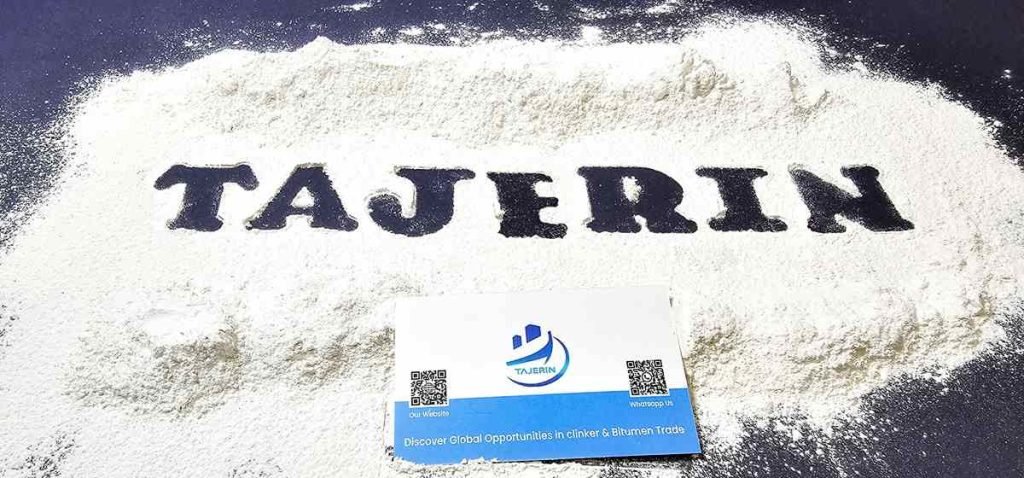
The primary chemical structure includes calcium sulfate combined with two water molecules. This bonded moisture gives the mineral its workable characteristics.
| Component | Typical Range |
|---|---|
| Calcium Sulfate | 85–98% |
| Moisture Content | 1–2% |
| Whiteness Level | 80–96% |
| Density | 2.3–2.4 g/cm³ |
Although purity varies depending on the origin, most high-grade industrial deposits remain consistent and suitable for large-volume production.
Different industries require different forms of the mineral. Therefore, gypsum is commonly available in the following grades:
| Category | Description | Main Use |
|---|---|---|
| Raw Mineral Rock | Natural stone extracted directly from quarries | Cement plants, gypsum board factories |
| Industrial Powder | Fine processed material produced at various mesh sizes | Plastering, wall finishing, molds |
| Calcined Grade (Plaster of Paris) | Heat-treated form with reduced moisture | Gypsum boards, decorative molding |
| Agricultural Grade | Softer powder suitable for soil conditioning | Farming and soil improvement |
Because each form serves a different purpose, choosing the correct specification is important when planning bulk purchases.
The natural mineral is available in rock form. Cement factories, gypsum board manufacturers, and heavy industries often prefer this grade because it allows them to process the mineral based on their own formulations.
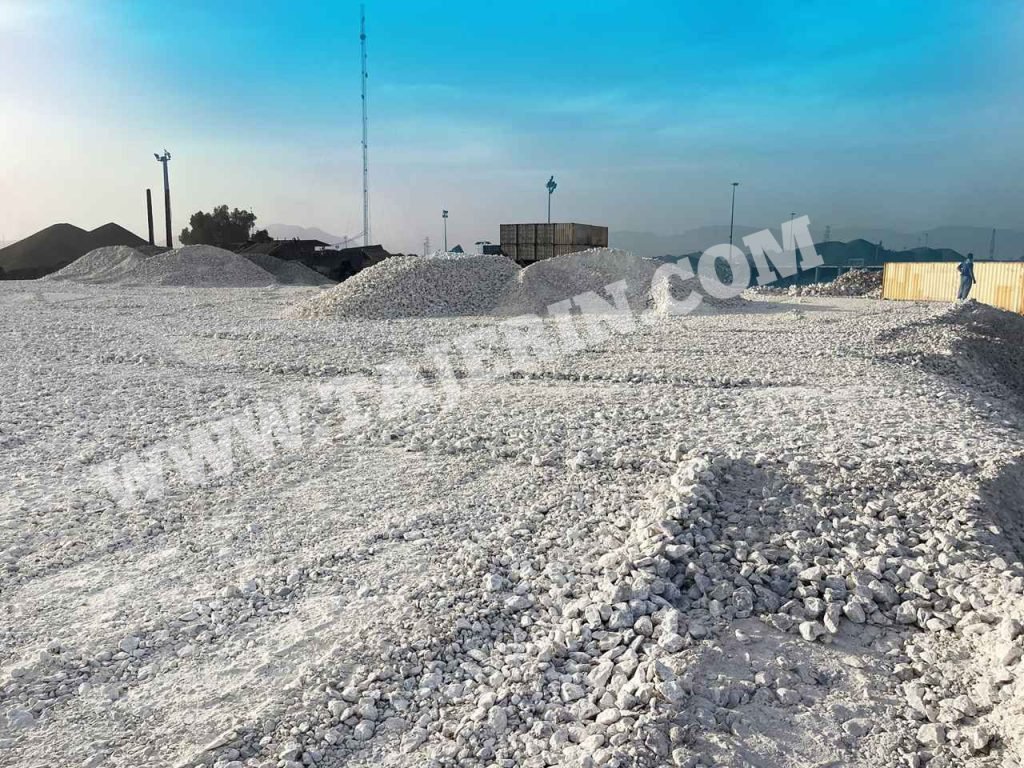
In many industries, selecting the right material grade is essential for performance and cost efficiency. For instance, manufacturers of drywall systems usually prefer fine, consistent powder because it improves adhesion and surface quality. Similarly, cement plants require raw mineral rock since it allows them to control the grinding and blending process internally. Moreover, agricultural users often choose softer grades because they dissolve faster and improve soil conditioning more effectively. As a result, understanding usage requirements helps buyers avoid unnecessary waste and ensures the best return on investment. Ultimately, the correct choice depends on production equipment, final product standards, and logistics preferences.
Once the mineral is crushed and finely processed, it becomes powder. Mesh size determines smoothness and workability:
As a result of its smooth texture and controlled setting behavior, the powder provides excellent surface finishing for construction projects.
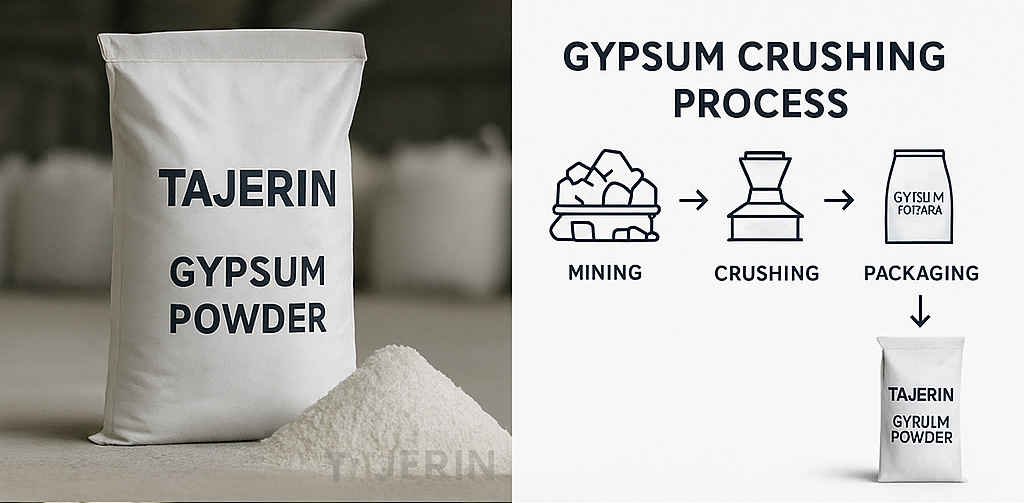
Processing the material follows several organized steps:
Because modern machinery delivers consistent quality, manufacturers can rely on stable product performance.
The mineral plays a major role in several industries, including:
Furthermore, the material is environmentally friendly and non-toxic, making it suitable for both residential and industrial environments.
Reliable sourcing is essential for international buyers. Tajerin supplies both stone and powder grades at scale, offering industrial-ready logistics. In addition, we support:
Consequently, clients across the UAE, India, Africa, and Southeast Asia continue to work with us for stable supply and dependable quality.
| Topic | Link Placeholder |
|---|---|
| Gypsum powder supplier | 🔗 https://www.tajerin.com/gypsum-powder-supplier/ |
| 🔗 | |
| 🔗 | |
| 🔗 | |
| 🔗 | |
Whether you need wholesale quantities, branded packaging, or long-term supply contracts, our commercial team can assist.
📞 Call | 💬 WhatsApp | 📧 Email | 📄 Download Specification Sheet
Furthermore, the demand for this mineral continues to increase globally, especially as construction industries expand in developing regions. As a result, buyers are looking for reliable long-term suppliers who can guarantee stable quality and consistent delivery schedules. In addition, manufacturers prefer materials with predictable performance because it improves production efficiency and reduces waste. Moreover, advancements in mining and processing technology have made refining and grading more accurate than ever before. Therefore, selecting the right grade and specification is essential for achieving the best performance in cement plants, plaster applications, drywall systems, and agricultural use. Ultimately, the correct choice depends on the intended application, packaging requirements, and transportation method.
